Article
By Rainbow Mountain Team · · 15 min read
Nestled among the towering peaks of the Karakoram Mountain Range, Hunza Valley is one of Pakistan's most iconic and breathtaking travel destinations. Renowned for its snow-capped mountains, turquoise lakes, ancient forts, vibrant culture, and warm hospitality, Hunza attracts thousands of visitors from around the world every year. Located in the northern region of Gilgit-Baltistan, the valley offers a perfect blend of natural beauty, history, adventure, and culture, making it a must-visit destination for families, honeymooners, photographers, trekkers, and nature enthusiasts alike.
Situated approximately 100 kilometers north of Gilgit City, Hunza Valley stretches along the mighty Hunza River and is surrounded by some of the world's highest peaks, including Rakaposhi (7,788 m), Ultar Sar (7,388 m), Ladyfinger Peak, Passu Sar, and numerous glaciers. Every season transforms the valley into a different masterpiece, from colorful spring blossoms and lush green summers to golden autumn landscapes and snow-covered winter scenery.
Whether you're exploring centuries-old forts, boating on the crystal-clear waters of Attabad Lake, crossing the famous Hussaini Suspension Bridge, or watching the sunrise over the Karakoram from Eagle's Nest, Hunza Valley promises memories that last a lifetime.
Where is Hunza Valley?
Hunza Valley is located in the Hunza District of Gilgit-Baltistan, Pakistan, along the historic Karakoram Highway (KKH), one of the world's highest paved international roads connecting Pakistan with China through the Khunjerab Pass.
Distance from Major Cities
Gilgit City to Hunza: Approximately 100 km (2–3 hours)
Islamabad to Hunza: Approximately 600 km (12–14 hours)
Skardu to Hunza: Approximately 310 km (8–9 hours)
Khunjerab Pass to Hunza: Approximately 90 km (2 hours)
The drive to Hunza is considered one of the most scenic road trips in Pakistan, offering spectacular views of rivers, glaciers, waterfalls, and towering mountain peaks.
Why Visit Hunza Valley?
Hunza Valley is often called the crown jewel of Gilgit-Baltistan because of its extraordinary natural beauty and rich cultural heritage.
Highlights include:
Spectacular Karakoram mountain views
Ancient forts and historical landmarks
Turquoise alpine lakes
Glaciers and trekking routes
Charming mountain villages
Rich local culture and traditions
Delicious organic cuisine
Cherry blossom season
Vibrant autumn colors
Adventure sports and photography
The valley's peaceful atmosphere and friendly local communities make it one of Pakistan's most welcoming travel destinations.
History of Hunza Valley
Hunza has a fascinating history that dates back over a thousand years. It was once an independent princely state ruled by the Mirs of Hunza, who governed the valley until 1974. Due to its strategic location along the ancient Silk Route, Hunza served as an important trading hub connecting South Asia, Central Asia, and China.
The valley is home to remarkable historical landmarks, including Baltit Fort and Altit Fort, which reflect centuries of architectural brilliance and cultural heritage.
Today, Hunza continues to preserve its traditions while embracing sustainable tourism and modern development.
Natural Beauty
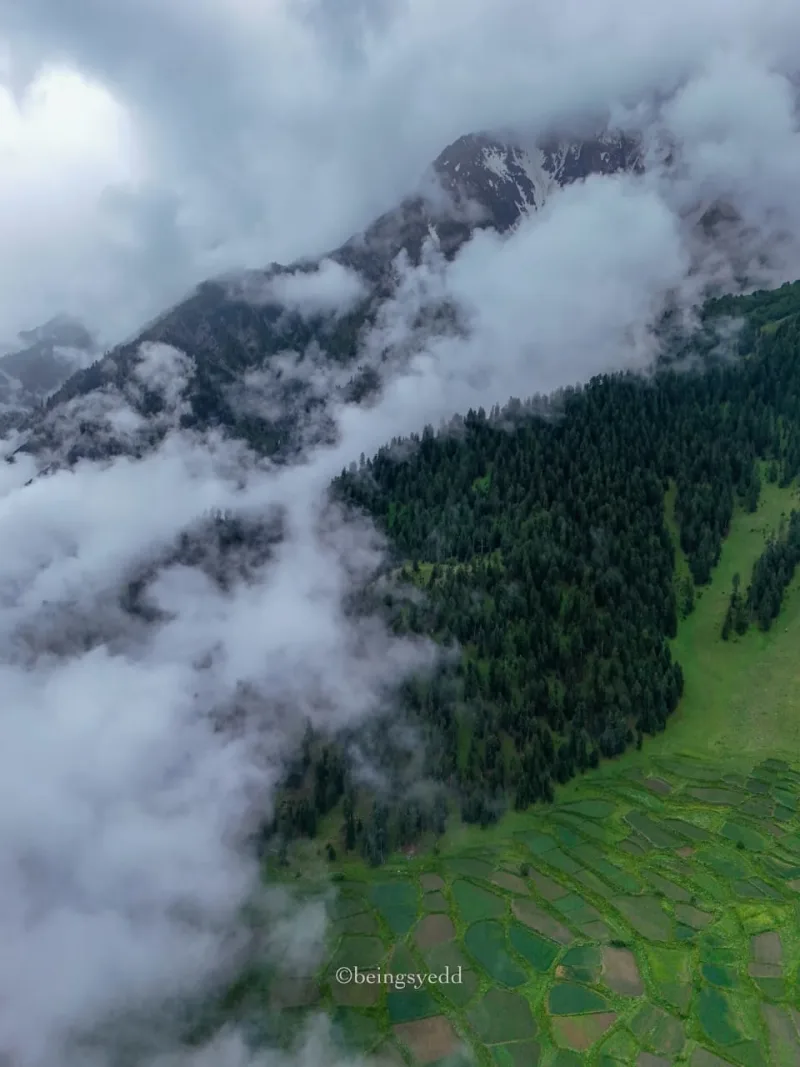
Hunza Valley is blessed with some of the most spectacular landscapes in the world. Towering snow-covered mountains surround fertile valleys filled with orchards of apricots, cherries, apples, and walnuts. Crystal-clear rivers flow through picturesque villages, while glaciers descend dramatically from the surrounding peaks.
Each season offers a unique experience. Spring brings colorful blossoms, summer offers lush green meadows and pleasant temperatures, autumn transforms the valley into a golden paradise, and winter blankets the landscape with pristine snow.
Top Attractions in Hunza Valley
Karimabad
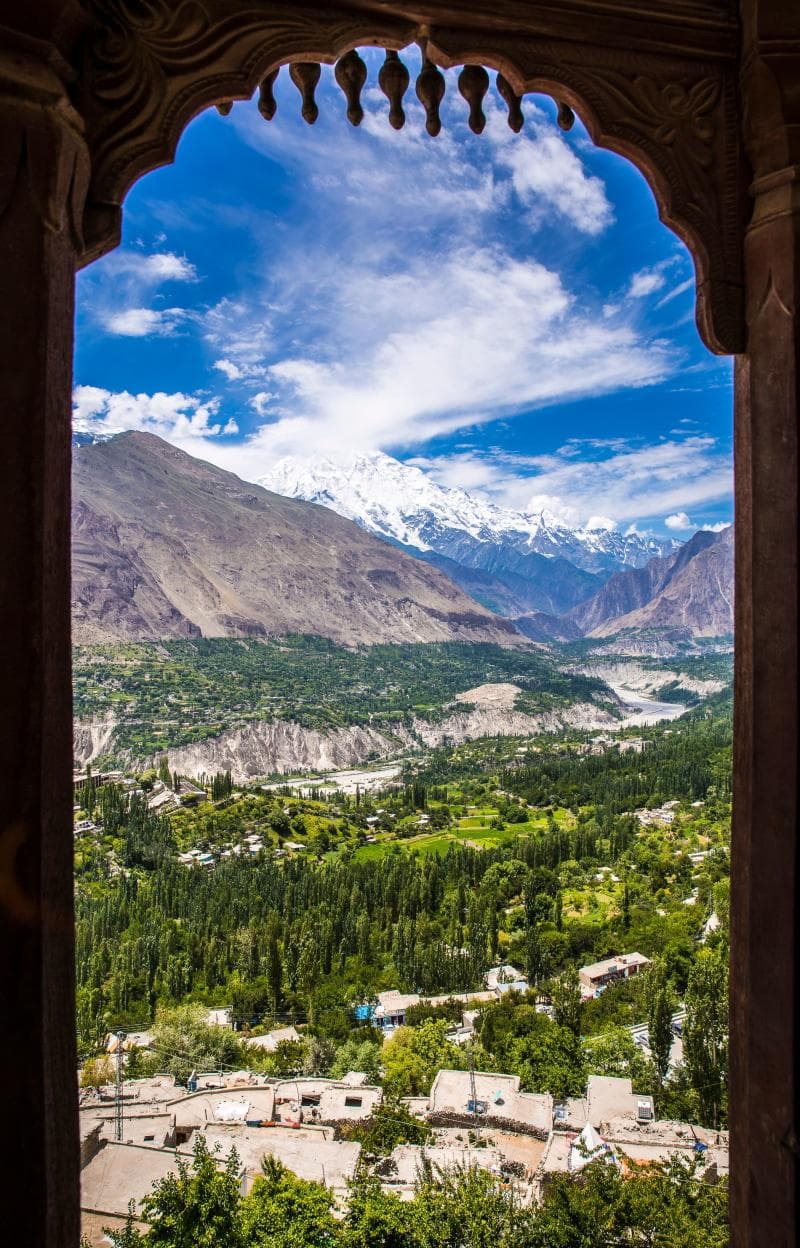
Karimabad is the cultural and tourism center of Hunza Valley. Surrounded by breathtaking mountain scenery, it offers traditional bazaars, local handicrafts, restaurants, cafés, and panoramic viewpoints overlooking Rakaposhi and Ultar Sar.
Baltit Fort
Perched on a hill overlooking Karimabad, Baltit Fort is over 700 years old and is one of Pakistan's most significant historical landmarks. Its unique architecture combines Tibetan and Balti influences, while the fort museum offers fascinating insights into Hunza's royal history.
Altit Fort
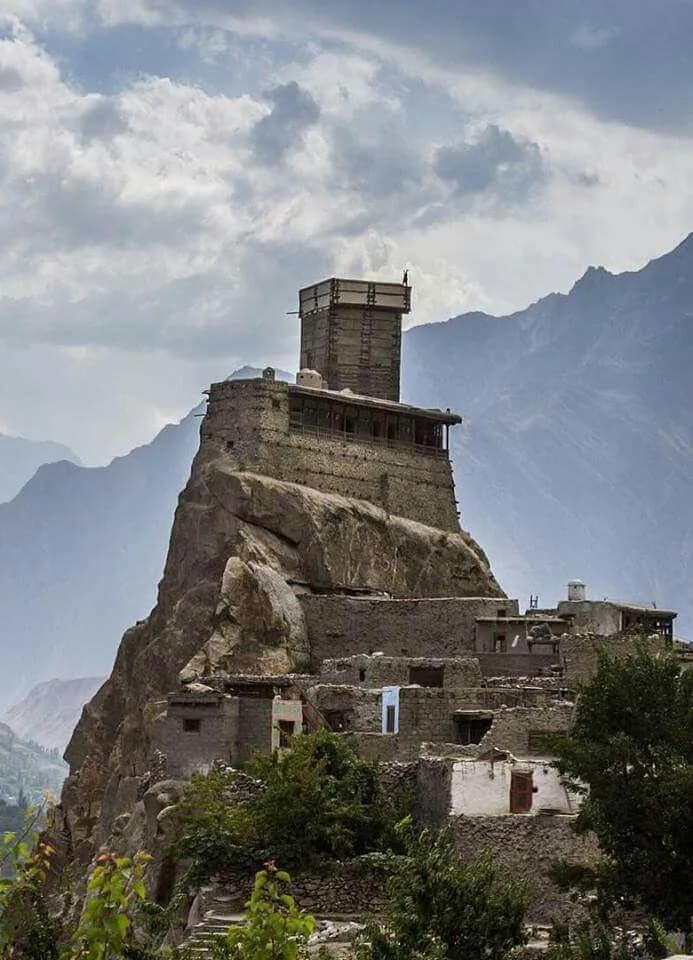
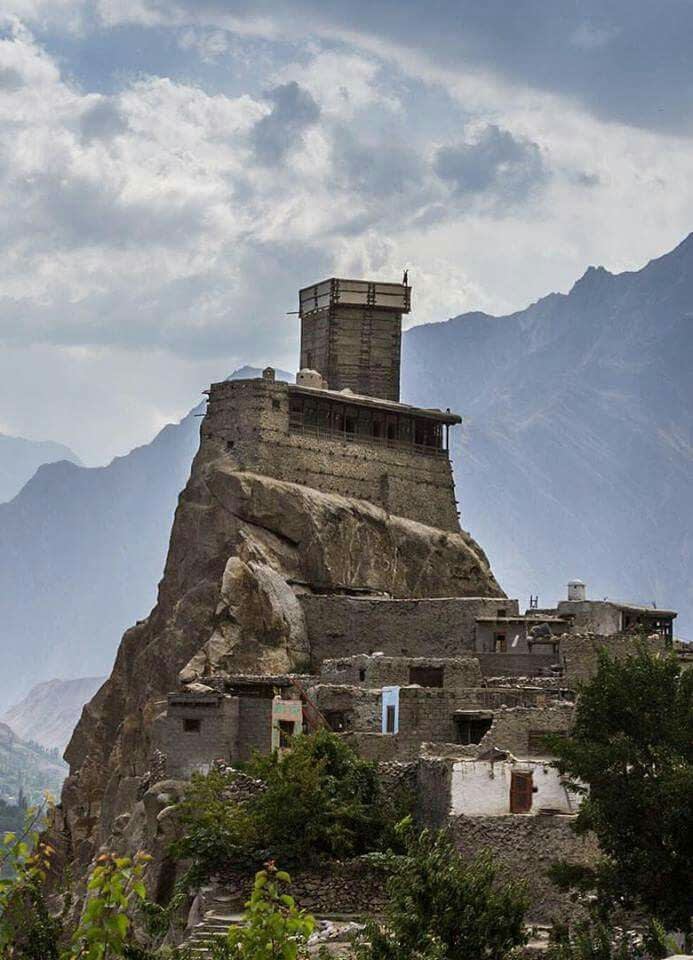
Dating back nearly 900 years, Altit Fort is the oldest monument in Hunza Valley. Beautifully restored, the fort features traditional architecture, lush royal gardens, and spectacular views of the Hunza River.
Attabad Lake
Formed after a massive landslide in 2010, Attabad Lake has become one of Pakistan's most famous tourist attractions. Its stunning turquoise waters are perfect for boating, kayaking, jet skiing, fishing, and lakeside photography.
Passu Cones
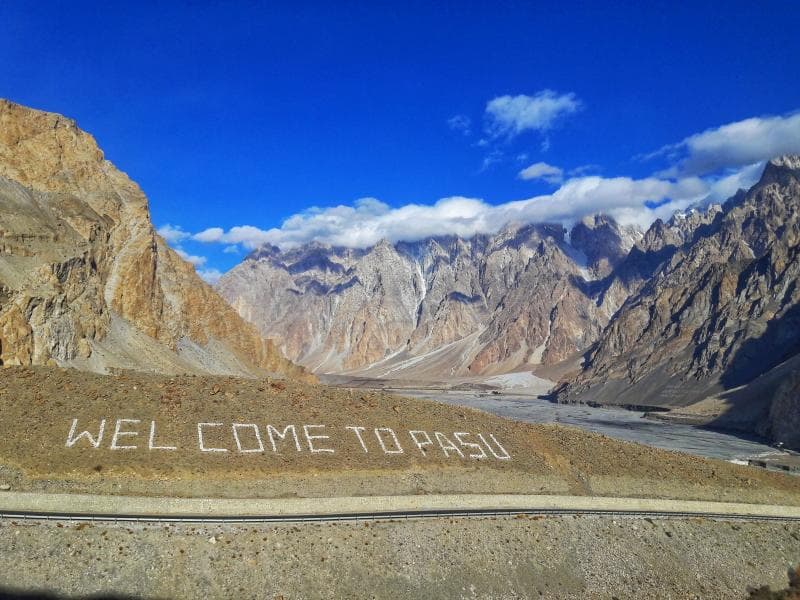
The iconic Passu Cones, also known as Cathedral Ridge, are among the most photographed mountain formations in Pakistan. Their dramatic pyramid-shaped peaks create an unforgettable backdrop for travelers exploring Upper Hunza.
Hussaini Suspension Bridge
Often described as one of the world's most thrilling suspension bridges, Hussaini Bridge stretches across the Hunza River near Passu Village and offers spectacular views of the surrounding mountains and glaciers.
Borith Lake
A peaceful alpine lake located near Gulmit, Borith Lake is famous for birdwatching, camping, and stunning reflections of the surrounding mountains.
Khunjerab National Park
Located near the Pakistan-China border, Khunjerab National Park is home to diverse wildlife, including the elusive snow leopard, Himalayan ibex, blue sheep, and golden eagles. It also features the famous Khunjerab Pass, the highest paved international border crossing in the world.
Things to Do in Hunza Valley
Sightseeing
Explore ancient forts, mountain villages, glaciers, lakes, and scenic viewpoints throughout the valley.
Hiking and Trekking
Hunza offers numerous trekking opportunities ranging from short village hikes to multi-day expeditions through glaciers and high mountain passes.
Popular treks include:
Ultar Meadow
Hopper Glacier
Passu Glacier
Batura Glacier
Rakaposhi Base Camp
Boating
Enjoy boating, kayaking, and jet skiing on the crystal-clear waters of Attabad Lake.
Photography
Hunza Valley is a paradise for photographers.
Popular photography locations include:
Baltit Fort
Altit Fort
Attabad Lake
Passu Cones
Eagle's Nest
Hussaini Suspension Bridge
Khunjerab Pass
Hopper Glacier
Shopping
Visitors can purchase traditional handicrafts, handwoven carpets, gemstones, embroidered clothing, dried fruits, organic honey, and locally produced souvenirs from Karimabad Bazaar.
Culture and Traditions
Hunza is known for its rich cultural heritage and exceptionally welcoming people. Most residents belong to the Burusho and Wakhi communities and speak Burushaski, Wakhi, Shina, and Urdu.
Traditional music, folk dances, colorful festivals, handcrafted products, and centuries-old customs remain an important part of everyday life. Visitors are warmly welcomed and often experience genuine local hospitality.
Local Cuisine
Hunza's cuisine is healthy, organic, and deeply rooted in local traditions.
Popular dishes include:
Chapshuro
Diram Phitti
Dowdo Soup
Harissa
Buckwheat Bread
Fresh Trout
Apricots
Walnuts
Organic Honey
Herbal Tea
Fresh fruits, dried apricots, and locally produced organic products are among the valley's most famous specialties.
Wildlife
Hunza's mountains provide habitat for several rare and endangered species.
Wildlife includes:
Snow Leopard
Himalayan Ibex
Blue Sheep
Red Fox
Golden Eagle
Himalayan Snowcock
Marmots
Wildlife enthusiasts are encouraged to visit Khunjerab National Park with experienced local guides.
Best Time to Visit
Spring (March–May)
Cherry, apricot, and apple blossoms transform the valley into a colorful paradise, making spring one of the most beautiful times to visit.
Summer (June–August)
Pleasant temperatures make summer perfect for sightseeing, trekking, boating, and outdoor adventures.
Autumn (September–November)
Golden forests and colorful orchards create breathtaking landscapes that attract photographers from around the world.
Winter (December–February)
Snow-covered mountains and frozen landscapes offer a peaceful winter escape for travelers seeking a different side of Hunza.
Accommodation
Hunza offers a wide range of accommodation options suitable for every budget.
Visitors can choose from:
Luxury Hotels
Boutique Resorts
Traditional Guest Houses
Family Homestays
Riverside Lodges
Mountain Camps
Many properties provide spectacular mountain views and traditional Hunza hospitality.
How to Reach Hunza Valley
Hunza Valley is easily accessible via the Karakoram Highway from Islamabad through Besham, Chilas, and Gilgit.
Travelers can also fly from Islamabad to Gilgit Airport and continue by road to Hunza, a journey of approximately two to three hours.
Road conditions are generally excellent throughout most of the year.
Travel Tips
Carry warm clothing regardless of the season.
Keep cash for small villages.
Respect local customs and traditions.
Book accommodation early during spring and autumn.
Stay hydrated at higher altitudes.
Carry a power bank and offline maps.
Check road conditions before traveling.
Hire local guides for trekking adventures.
Protect yourself from strong mountain sunlight.
Responsible Tourism
Help preserve Hunza Valley by respecting local culture, avoiding littering, supporting local businesses, conserving water, protecting wildlife, and following Leave No Trace principles. Sustainable tourism helps maintain the valley's natural beauty and cultural heritage for future generations.
Frequently Asked Questions
Is Hunza Valley safe for tourists?
Yes. Hunza Valley is widely regarded as one of the safest tourist destinations in Pakistan and welcomes visitors from around the world.
How many days should I spend in Hunza?
A stay of 4 to 6 days is ideal for exploring the valley's major attractions, nearby villages, lakes, and hiking trails.
Is Hunza suitable for families?
Absolutely. Hunza is perfect for families, couples, solo travelers, photographers, and adventure enthusiasts.
Is there mobile network and internet?
Most towns and villages have mobile coverage and internet access, although speeds may vary in remote areas.
Final Thoughts
Hunza Valley is more than just a travel destination—it's a place where majestic mountains, centuries-old history, vibrant culture, and unforgettable adventures come together to create a truly magical experience. From exploring the historic Baltit and Altit forts to boating on the turquoise waters of Attabad Lake, watching the sunrise from Eagle's Nest, and driving along the legendary Karakoram Highway, every moment in Hunza is filled with wonder.
Whether you're seeking breathtaking landscapes, cultural experiences, outdoor adventures, or simply a peaceful escape in the mountains, Hunza Valley stands as one of the finest destinations in Pakistan and deserves a place on every traveler's bucket list.